Expert Insight
The Freshness Blueprint: How Custom Food & Beverage Boxes Drive Retail Sales
Walk into any grocery aisle, supermarket, or convenience store in the USA, and you will notice that food and beverage packaging has to work twice as hard as any other industry. In this sector, packaging isn't just a marketing billboard; it is a critical protective shield. Before a consumer ever tastes your product, your packaging must convince them that the contents inside are fresh, high-quality, and completely safe to consume. A generic box won't cut it on competitive food shelves. To secure retail space and win over hungry consumers, you need precisely engineered Custom Food & Beverage Boxes. When designed correctly, these boxes preserve taste, comply with food safety standards, and use smart structural elements to fly off retail shelves. Here is how to engineer food-grade packaging that drives high-velocity sales.
Why Materials Matter: Prioritizing Food-Grade Compliance and Insulation
Food products have highly specific environmental vulnerabilities. Some products are sensitive to moisture, others are greasy, and some are heavy enough to break standard paperboard during transport. When manufacturing food-safe packaging for the U.S. market, materials must be strictly selected based on the product's physical properties:
Kraft Paperboard
Kraft Paperboard (Unbleached & Kraft-Lined)
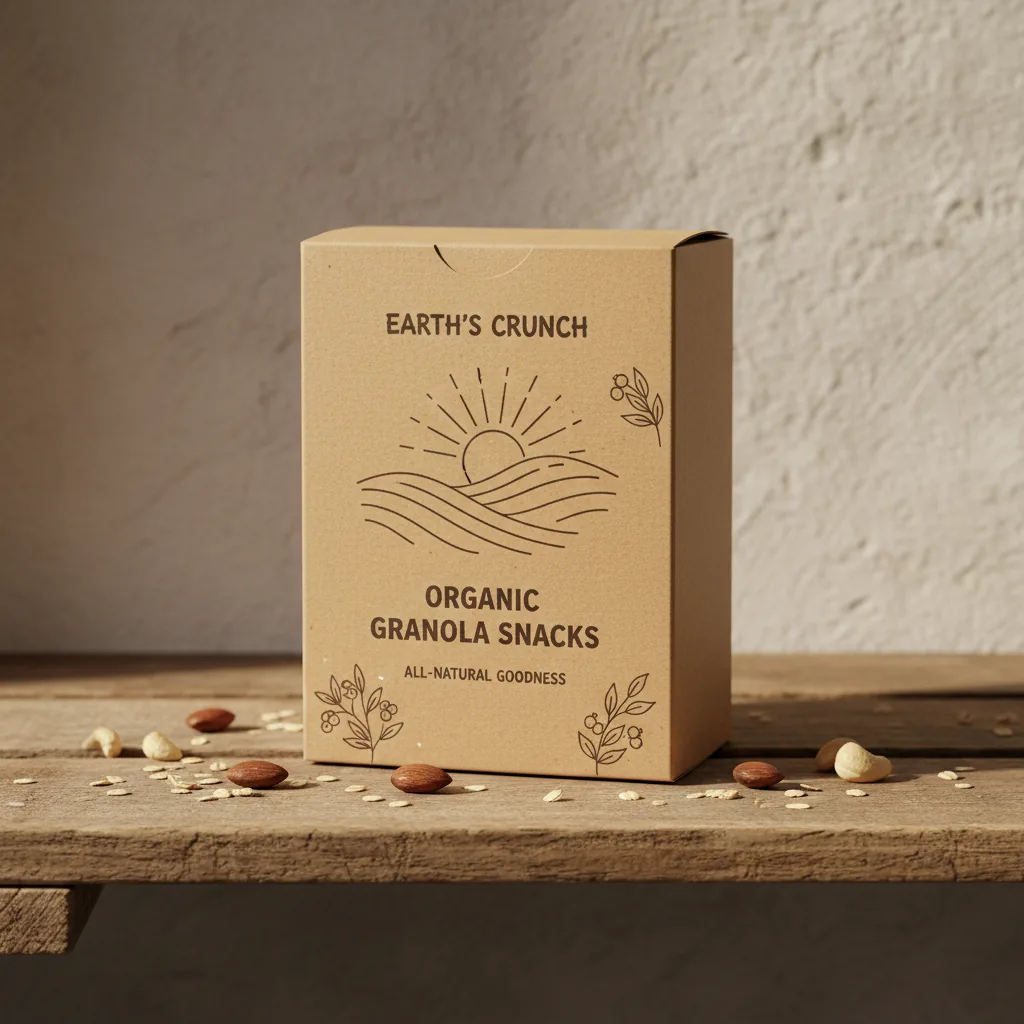
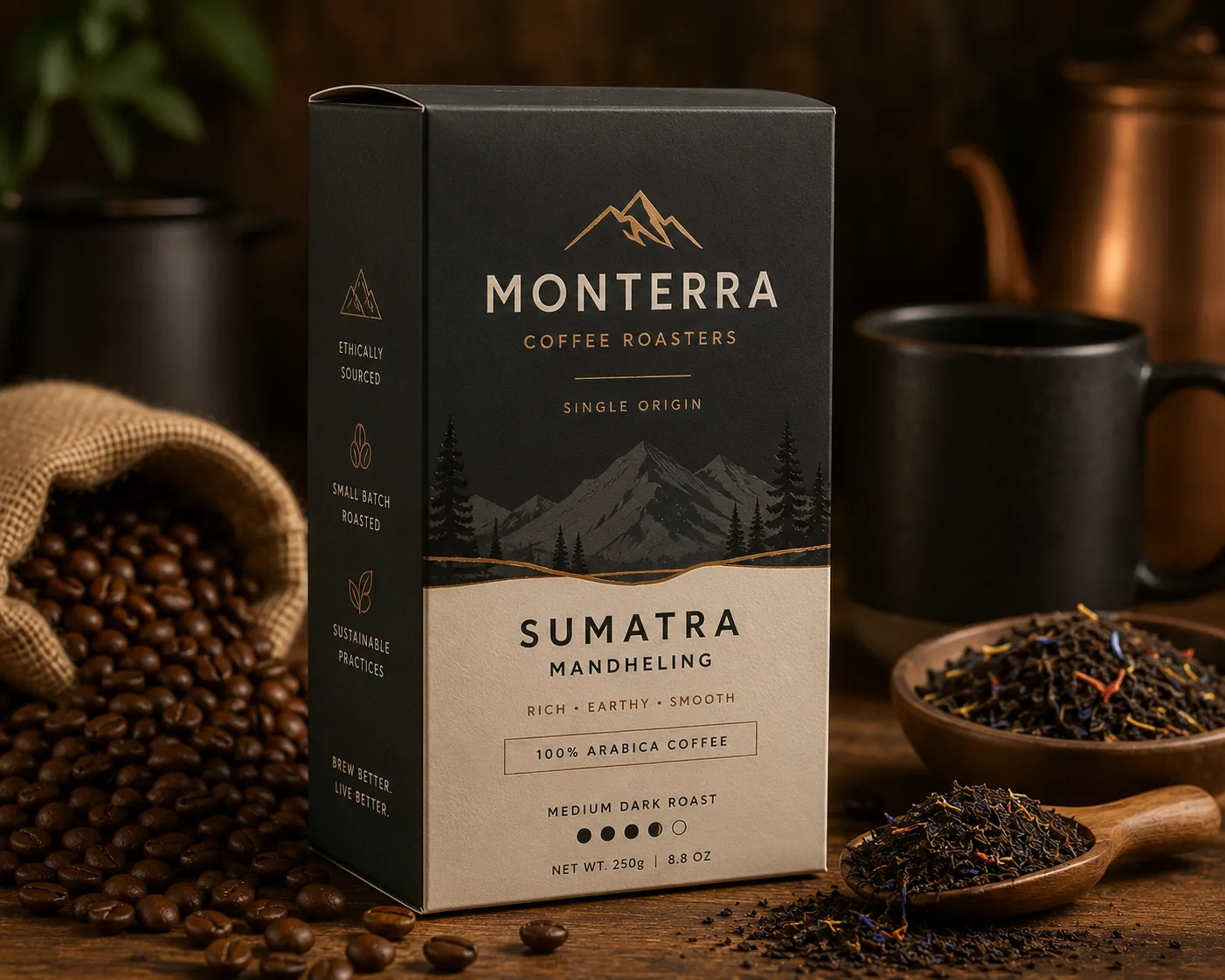
Best For: Organic snacks, dry baked goods, artisanal coffee bags, and take-out meals. Made from natural wood fibers, unbleached Kraft paperboard is inherently chemical-free, eco-friendly, and highly breathable. Adding a food-safe grease barrier or PLA lining prevents oils and moisture from soaking through the box, keeping the exterior pristine on retail shelves.
Corrugated Board
B-Flute and E-Flute Corrugated Board
Best For: Heavy beverage bottles, multi-packs of canned sodas, and fragile glass jars. For heavy liquids, structural strength is everything. E-flute corrugated (1/16 inch) offers a smooth printing surface for colorful branding while safely holding intermediate weights like tea boxes or juice boxes. For heavy bulk packs or shipping cases, thick B-flute corrugated (1/8 inch) provides the necessary stacking strength to prevent the bottom boxes from crushing under the weight of an entire pallet.
Smart Structural Designs: Convenience and Shelf-Readiness
In the food industry, structural design directly affects consumer convenience and supermarket stocking speed. U.S. grocery chains favor packaging that makes their employees' lives easier and the consumer's experience seamless. To dominate the grocery aisle, brands utilize three highly efficient structural layouts:
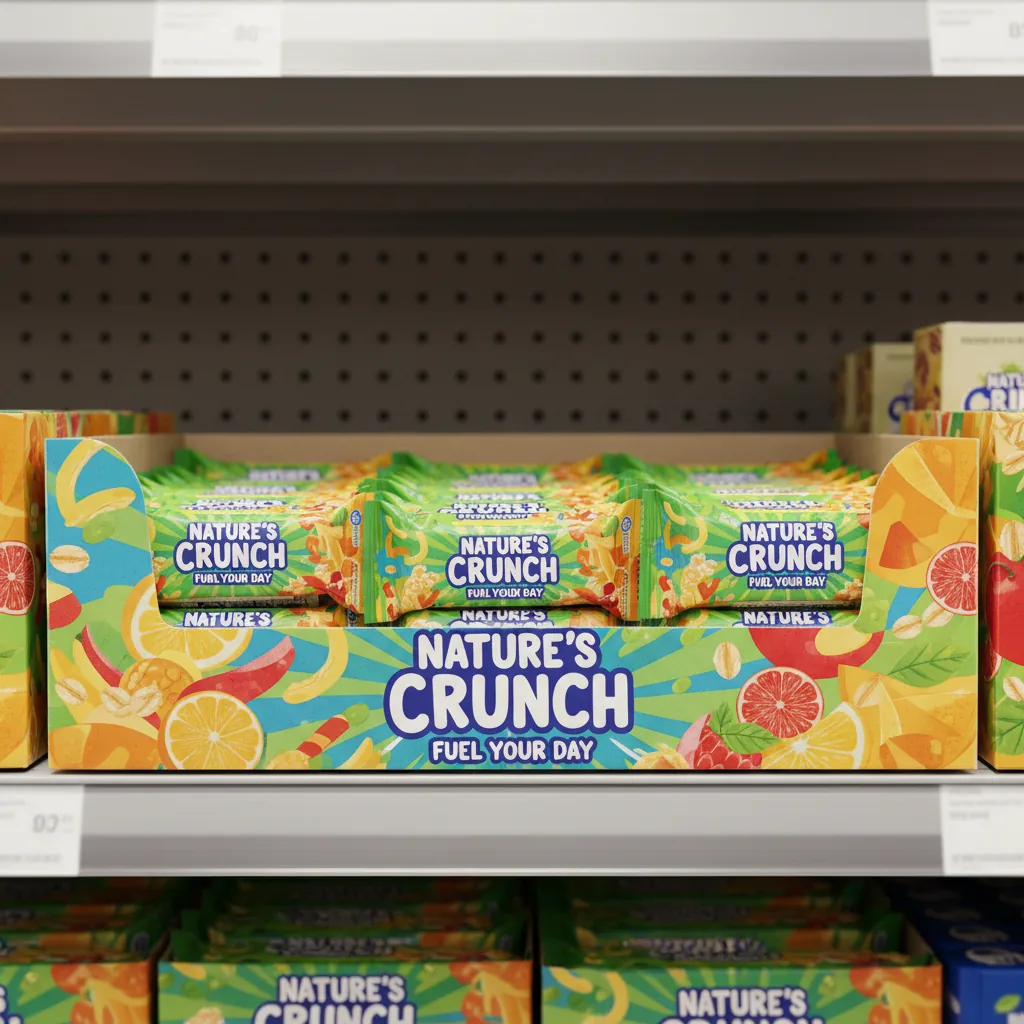
Shelf-Ready Packaging (SRP / PDQ): Perfect for granola bars, single-serve snack packs, and condiment pouches. These corrugated boxes feature clean tear-away perforations. The retail clerk simply pulls off the top section, exposing the product instantly without having to unbox individual items onto the shelf.
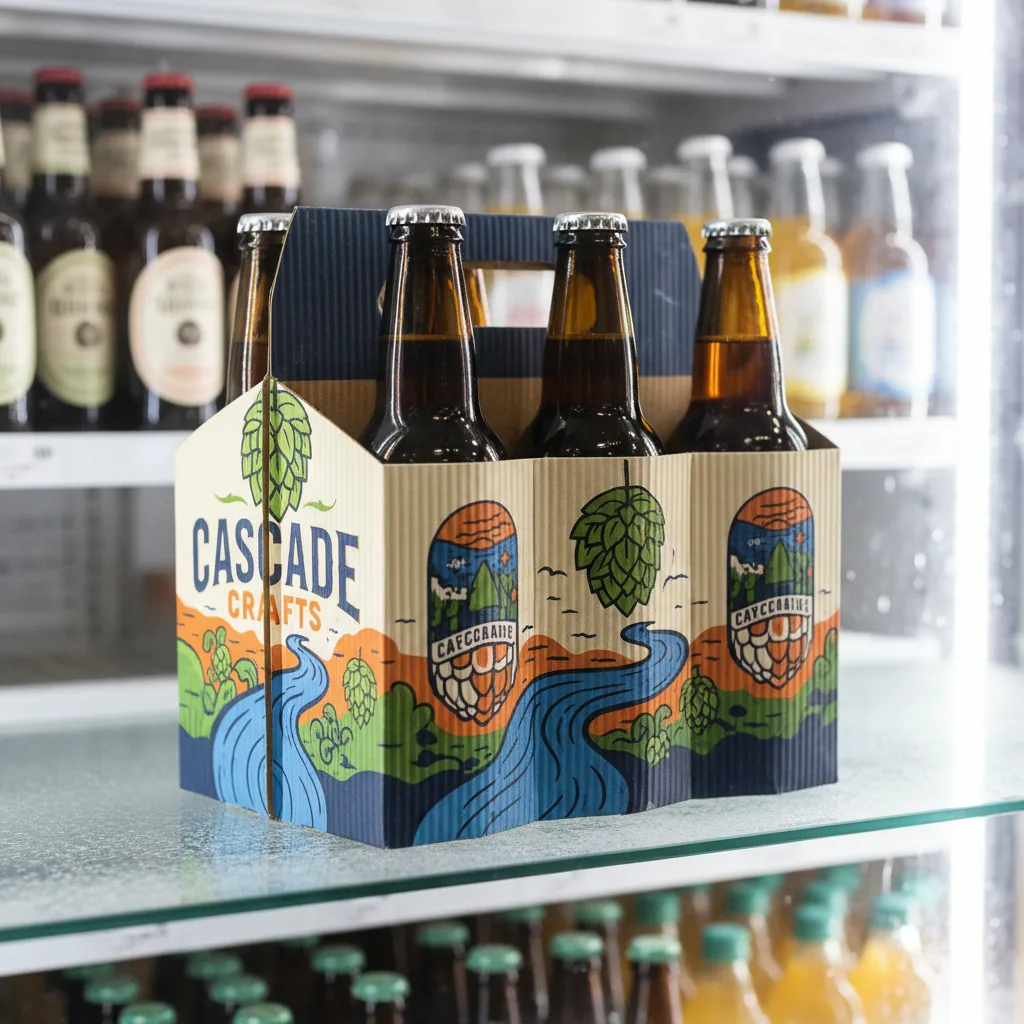
Die-Cut Beverage Carriers: Essential for craft beers, premium sodas, and glass juice bottles. These feature built-in, heavy-duty handles and internal cardboard cell dividers that prevent glass-on-glass friction during transit.
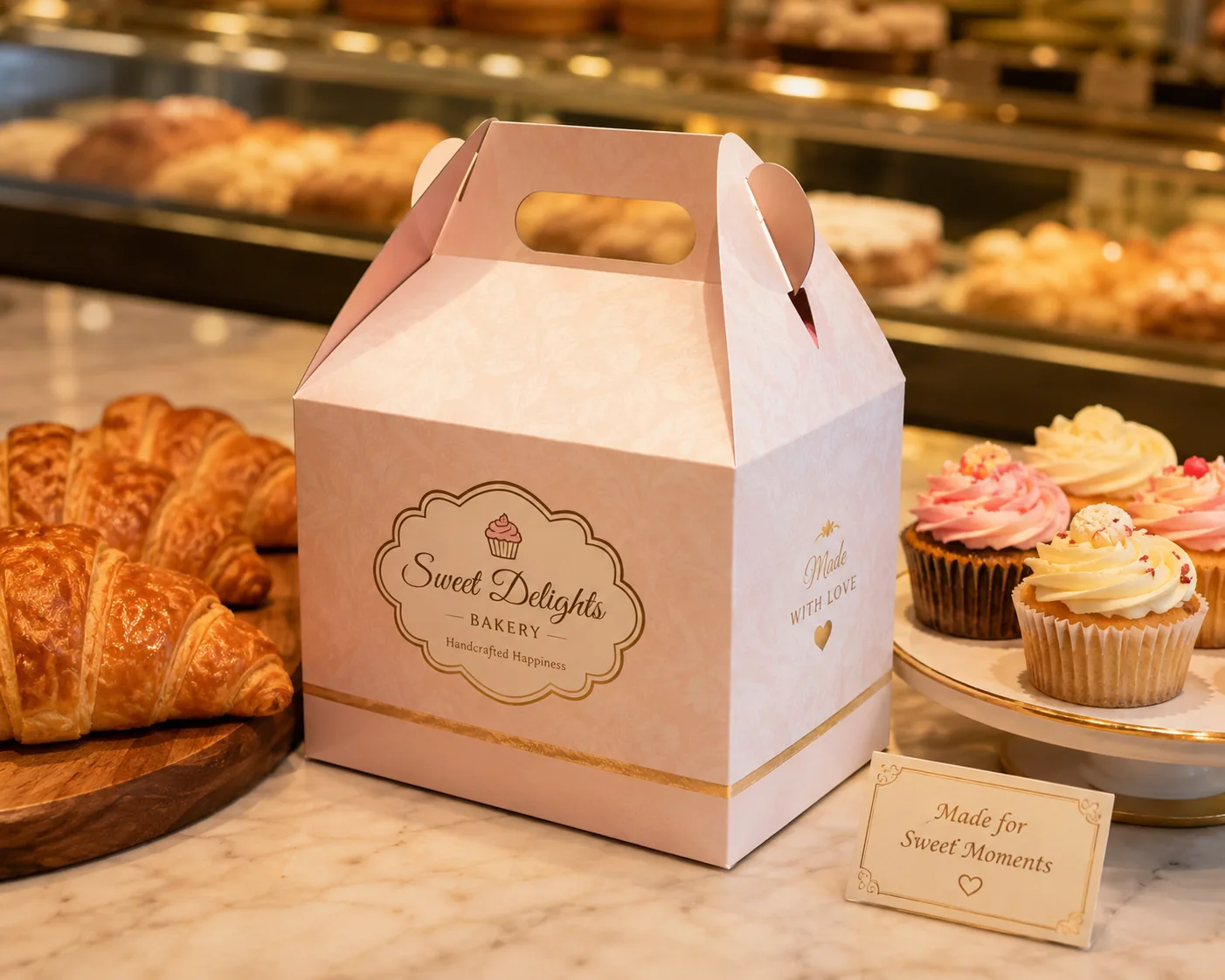
Auto-Bottom Gable Boxes: Ideal for fast-food, bakery treats, and confectionery gifting. They feature a pre-glued folding bottom that snaps open into a rigid box instantly when pushed, maximizing assembly speed in busy environments.
Maximizing Appetite Appeal with Sensory Finishes
To trigger an impulse food purchase, your packaging should visually represent flavor. Modern printing techniques allow you to highlight the texture and quality of the food before the box is ever opened.
Vibrant Gloss Aqueous Coatings
Applying a high-gloss water-based coating makes images of food look incredibly rich, juicy, and appealing under grocery store lighting.
Clear Die-Cut Windows
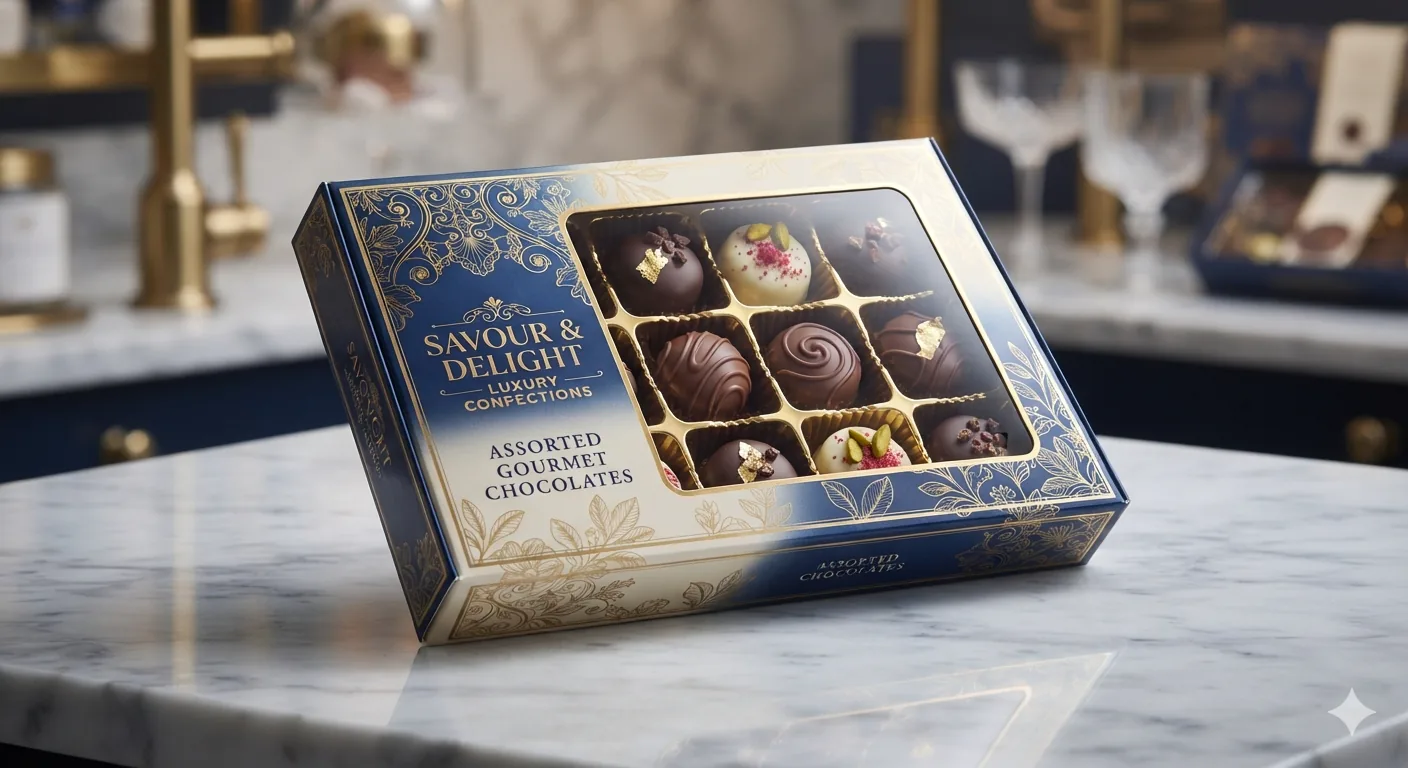
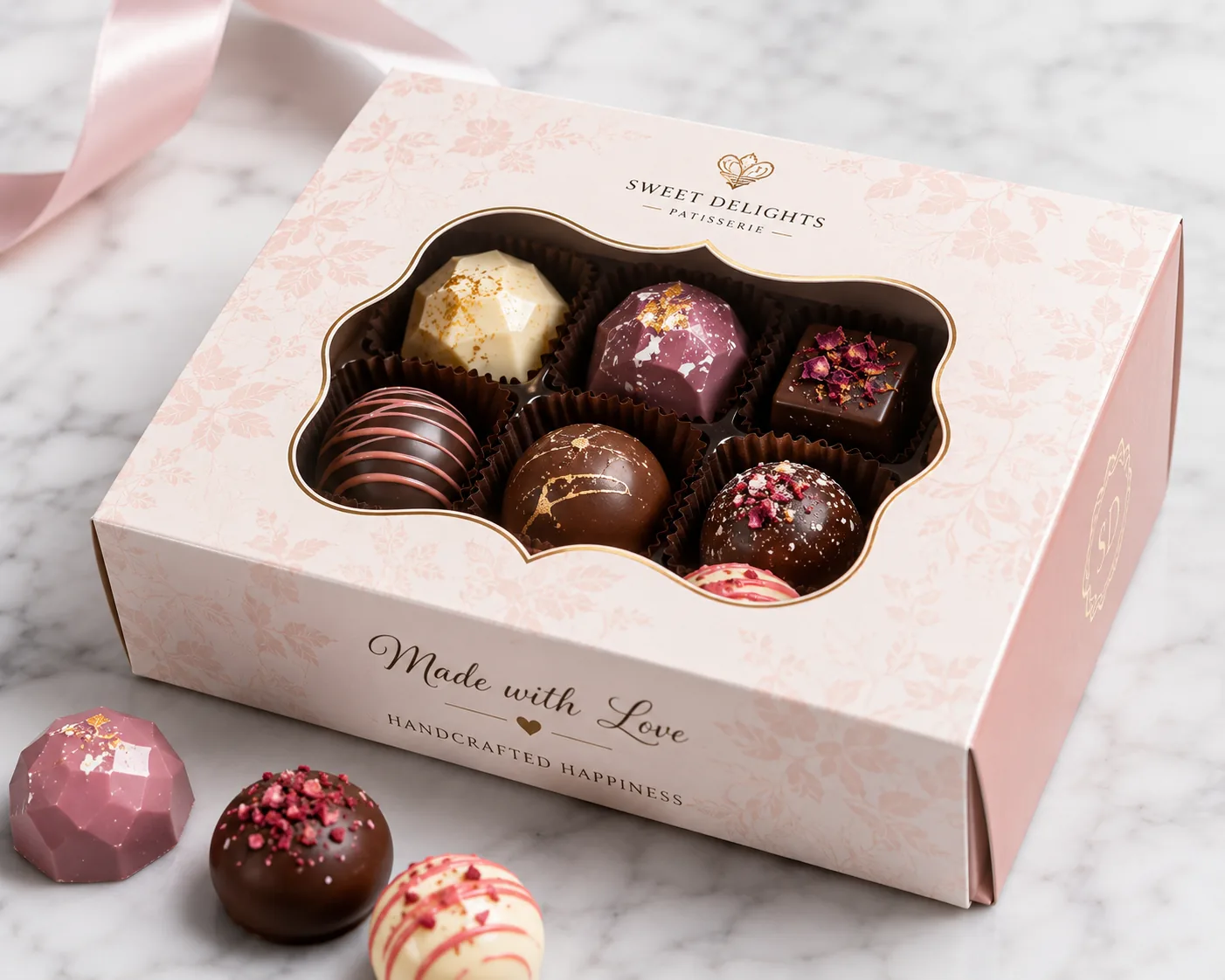
For visual foods like decorated pastries, gourmet chocolates, or colorful candies, incorporating a food-grade acetate window lets the actual product do the selling.
Soy-Based Inks & Minimalist Graphics
For health-conscious or vegan brands, printing clean line-art with eco-friendly, low-odor soy inks communicates purity and transparency directly to the consumer.
High-Velocity Food & Beverage Niches Driving the U.S. Market
While every food or beverage product benefits from premium packaging, different niches require specific structural approaches to succeed in the U.S. retail landscape:
| Food & Beverage Niche |
Dominant Box Style |
Required Special Feature |
| Gourmet Bakery & Snacks |
Gable boxes, tuck-top bakery cartons |
Grease-resistant inner barrier lining |
| Craft Beverage & Juices |
4-pack / 6-pack bottle carriers, heavy corrugated trays |
Moisture-resistant coatings for refrigeration |
| Dry Grocery (Bars, Tea, Coffee) |
Perforated PDQ trays, straight-tuck boxes |
High-barrier seals to maintain aroma and freshness |
Protect Your Flavor, Grow Your Brand
A custom food and beverage box is the ultimate bridge between rigorous structural protection and mouth-watering shelf appeal. By selecting the correct moisture barriers, optimizing shelf-ready assembly, and emphasizing appetite appeal through print finishes, you ensure your product stays fresh and stands out on the shelf. Ready to engineer compliant, high-impact packaging for your culinary or beverage line? Contact our structural engineering team today to design a precise die-line prototype tailored to your product volume and dimensions!
Get Your Free Quote →